Life coaching: the goal is a more independent life
Expressing needs, eating, getting dressed, taking part in social life. A six-month program with written goals, built to grow what your child can do on their own every day.
- free assessment and presentation
- 1 week
- free assessment and presentation
- assessed one by one
- 18 areas
- assessed one by one
- goal-based term, review in month 3
- 6 months
- goal-based term, review in month 3
What is life coaching for autistic children?
Life coaching is a full-day, six-month education program that aims to increase what autistic children and young people can do on their own in daily life. Every child has a life coach; special education, speech and language, occupational therapy and movement education teachers work together on the same written goals, and each new skill is practised in real life: at a restaurant, in a supermarket, at the pool.
Who is it for?
Life coaching is the right choice when you want your child to spend most of the day in planned education.
Not a way to fill time
If your only aim is for your child to spend the day somewhere, this program is not the right fit. Every day is spent working on a written goal.
- Children suited to the younger age unit, ages 2-6 and 6-11
- Young people aged 12 and over, working on self-care, sport and social life in the gap after school
- Children who need full-day education instead of, or alongside, school or kindergarten
- Families coming from abroad or from another city who are looking for an intensive program
How is the program built?
First we get to know your child, then we set goals. The program is prepared with the assessment results and your priorities.
- 1
First meeting
We listen to you about your child, your priorities and your weekly routine.
- 2
Assessment week
Over one week, free observation and assessment in 18 areas.
- 3
Presentation
Strengths, areas of difficulty and starting goals are presented to you.
- 4
Choosing days
You choose one of the six-month program options, from 1 to 6 days a week.
- 5
The term
Daily work appears in the parent panel; a review in month 3 and a full presentation in month 6.
A six-month term
Every term follows the same rhythm, so you know from the start what you will see and when.
Week 1
Assessment
Observation in 18 areas, followed by a family presentation
Every day
Parent panel
Approved daily notes, photos and videos
Month 3
Interim review
Skills gained and plan updates if needed
Month 6
Term presentation
Overall review and a progress clip
How many days a week?
- 1days
Mainly goals to work on together with the family
- 2days
Core skills and a home program
- 3days
Balanced: education, therapy and sport
- 4days
Social life practice is added
- 5days
A full week, on a school routine
- 6days
The most intensive program, Saturday included
Education does not stay inside the building
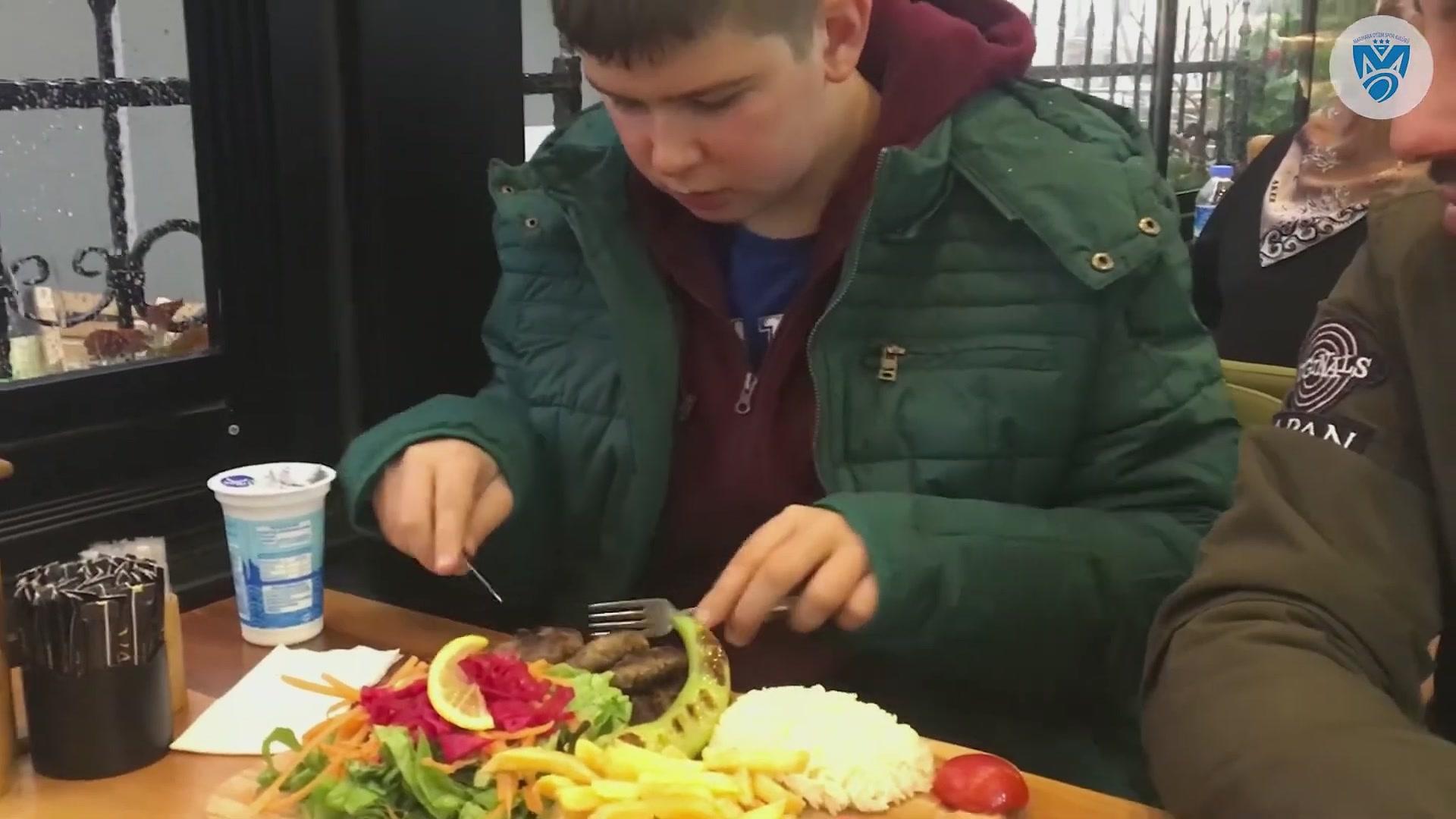
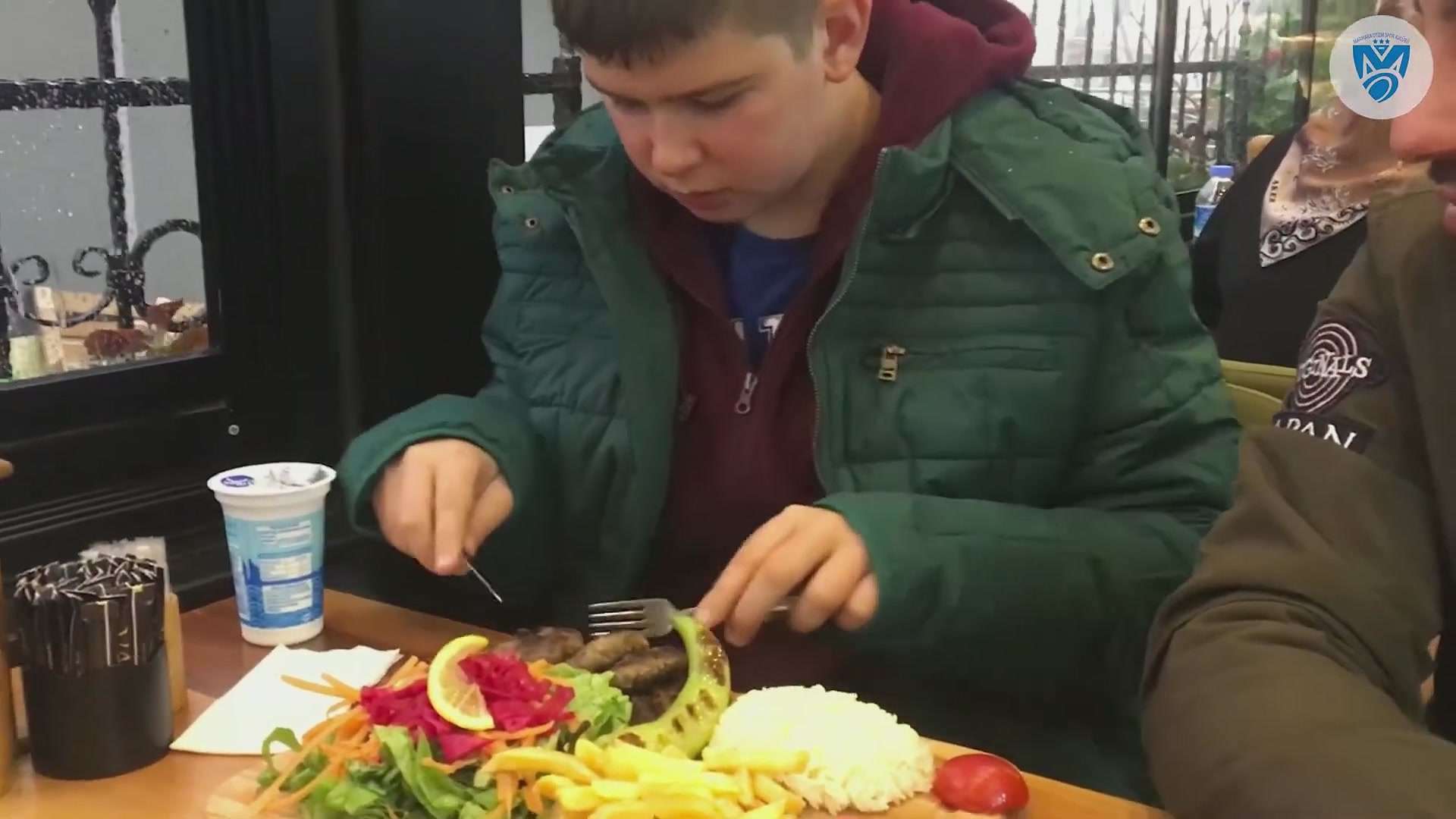
Skills are tried out in real life. A day in the life coaching program is spent as much outside as at the table.
Social adaptation
Restaurants, shopping, public transport, bowling.
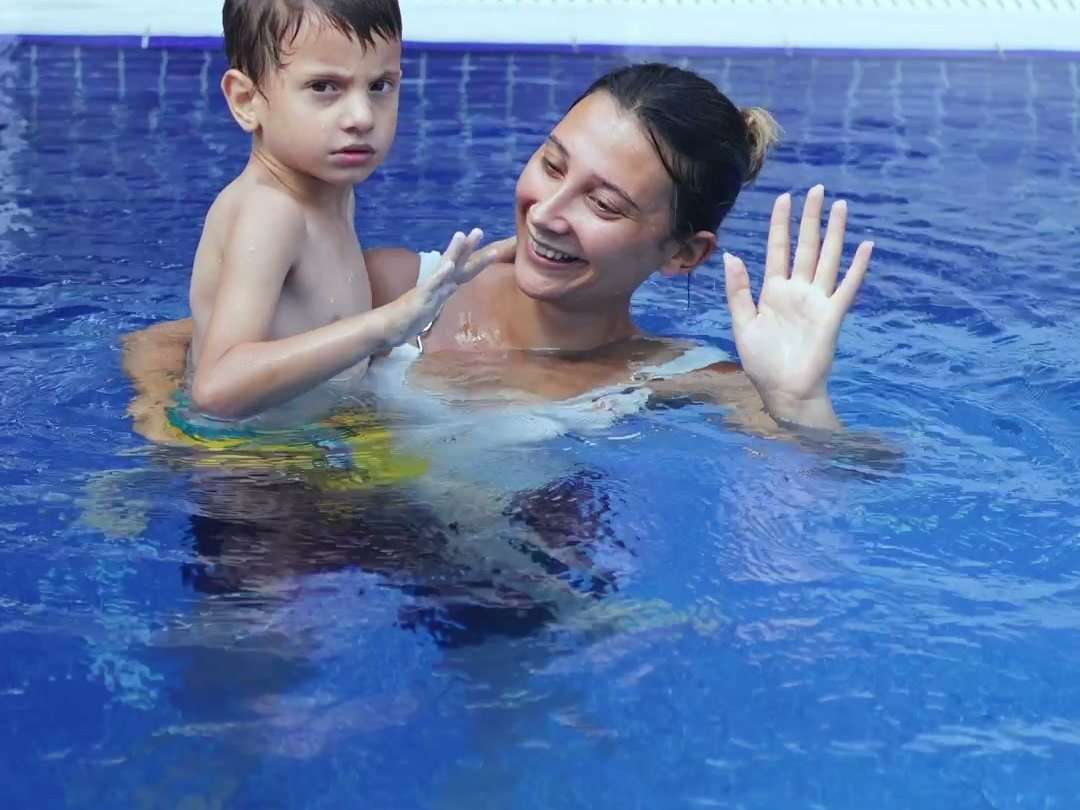
Sports
Swimming, cycling, archery, table tennis, skiing.
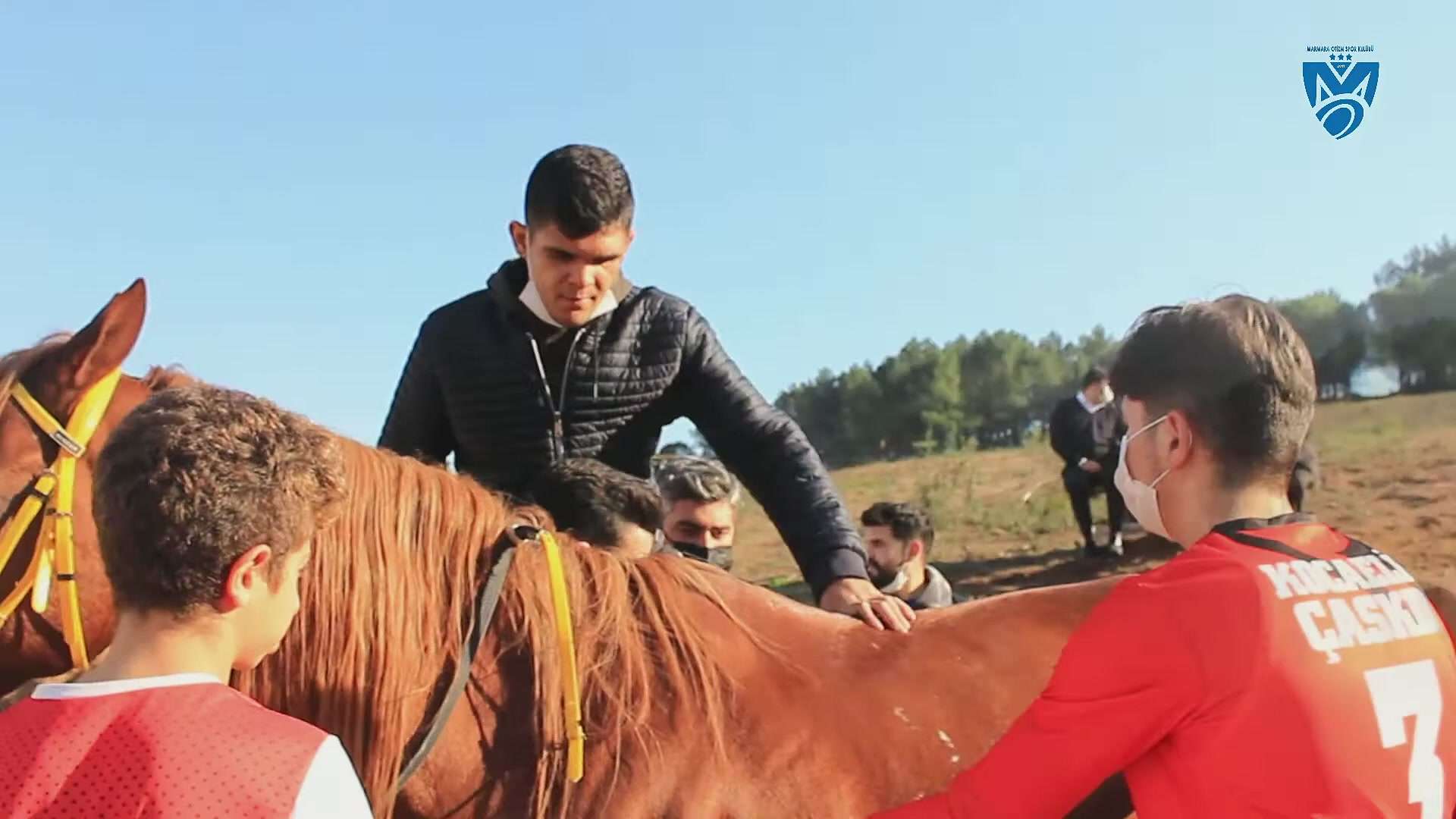
Activities with horses
Hippotherapy lessons in our center's outdoor area.
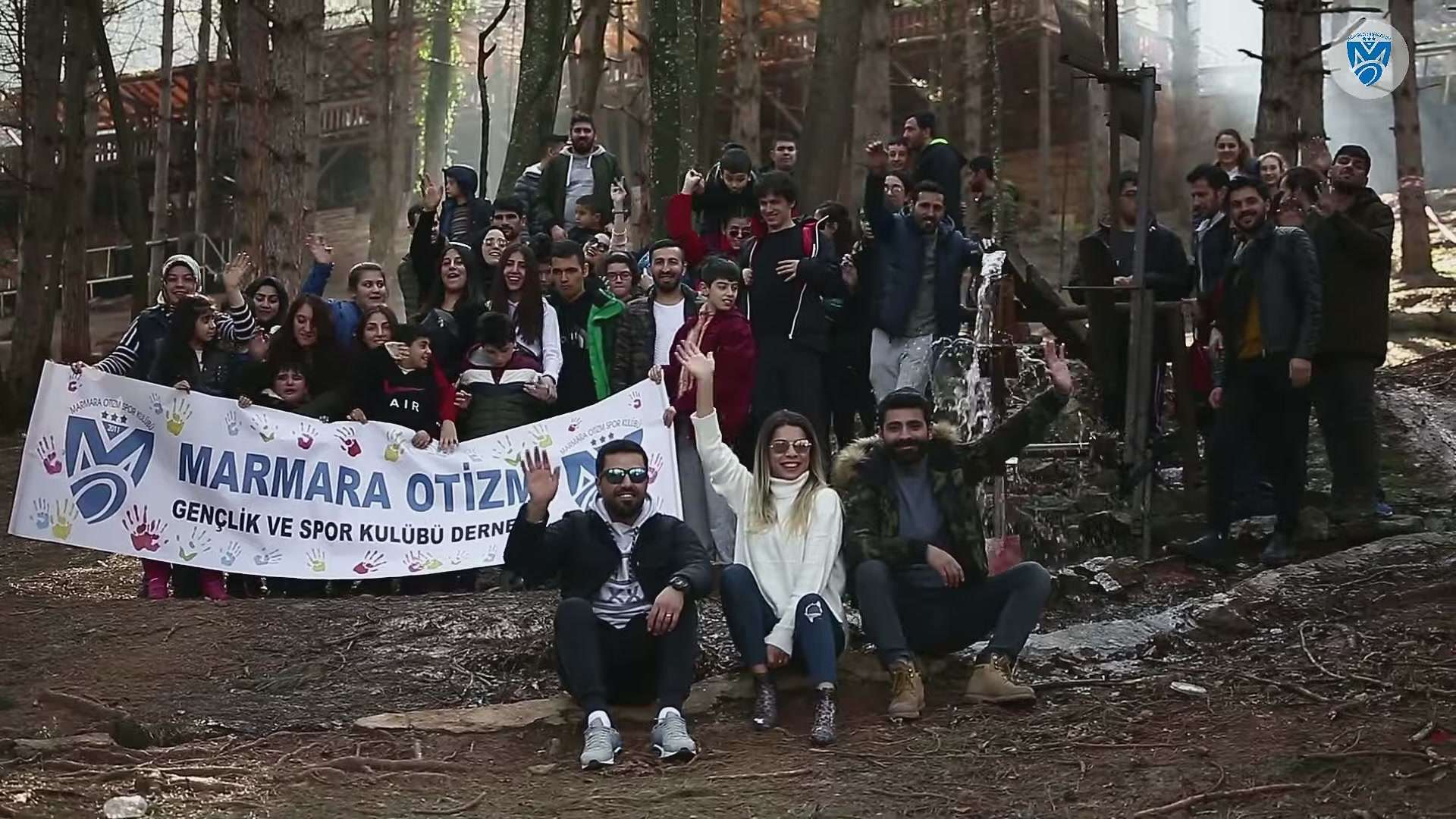
Camps
Summer and winter camps, family gatherings.
Which path is right for your family?
Each of the three paths is planned separately. Your child's reports, age and your weekly routine shape the choice. We decide together at the first meeting.
| Special education and rehabilitation | Life coaching program | Individual sessions | |
|---|---|---|---|
| Who it is for | Children and young people living in Türkiye with a RAM report | Children and young people who need most of the day in planned education | Families looking for one-to-one support in a specific area |
| Fees | Report hours are state funded, free for the family | Based on days per week | Based on number of sessions |
| Frequency | 2 hours individual and 1 hour group per week | 1-6 full days per week | As many sessions a week as you choose |
| Report needed | Yes, a RAM report | No | No |
| How it starts | With the report and registration | A free one-week assessment | First meeting and area assessment |
| What families receive | Individual education plan and term review | Parent panel, month 3 and month 6 presentations, progress clip | A report for every session, regular family presentations |
| Explore this path › | Explore this path › |
Life coaching program
- Who it is for
- Children and young people who need most of the day in planned education
- Fees
- Based on days per week
- Frequency
- 1-6 full days per week
- Report needed
- No
- How it starts
- A free one-week assessment
- What families receive
- Parent panel, month 3 and month 6 presentations, progress clip
Special education and rehabilitation
- Who it is for
- Children and young people living in Türkiye with a RAM report
- Fees
- Report hours are state funded, free for the family
- Frequency
- 2 hours individual and 1 hour group per week
- Report needed
- Yes, a RAM report
- How it starts
- With the report and registration
- What families receive
- Individual education plan and term review
Individual sessions
- Who it is for
- Families looking for one-to-one support in a specific area
- Fees
- Based on number of sessions
- Frequency
- As many sessions a week as you choose
- Report needed
- No
- How it starts
- First meeting and area assessment
- What families receive
- A report for every session, regular family presentations
Frequently asked questions about life coaching
Have another question? Message us on WhatsApp and we will reply the same day.
What is life coaching?
It is a full-day, six-month, goal-based education program focused on increasing what autistic children and young people can do on their own in daily life. Every child has a life coach; teachers of language, special education, occupational therapy and movement education work together on the same goals.
Is the assessment week really free?
Yes. The one-week assessment and the family presentation at the end are free. After the presentation, you decide whether to start the program.
How many days a week does my child need to attend?
You can choose between 1 and 6 days a week. A separate six-month program is prepared for each option; the more days, the more goals are worked on.
How do I follow my child's progress?
In the parent panel you see notes, photos and videos approved by the coordinator every day. There is a review in month 3 and a full presentation in month 6, and the term's progress clip is shared with you.
Which ages is it for?
We work with ages 2-6 and 6-11 in the younger age unit, and with young people aged 12 and over in the older age unit. We decide on the right unit together during the assessment week.
Do you guarantee results?
No. Every child develops in their own way. We set goals based on the assessment, measure progress and show it to you regularly.
Free first meeting
Fill in the short form and our team will call you the same day. We discuss the details in the meeting.